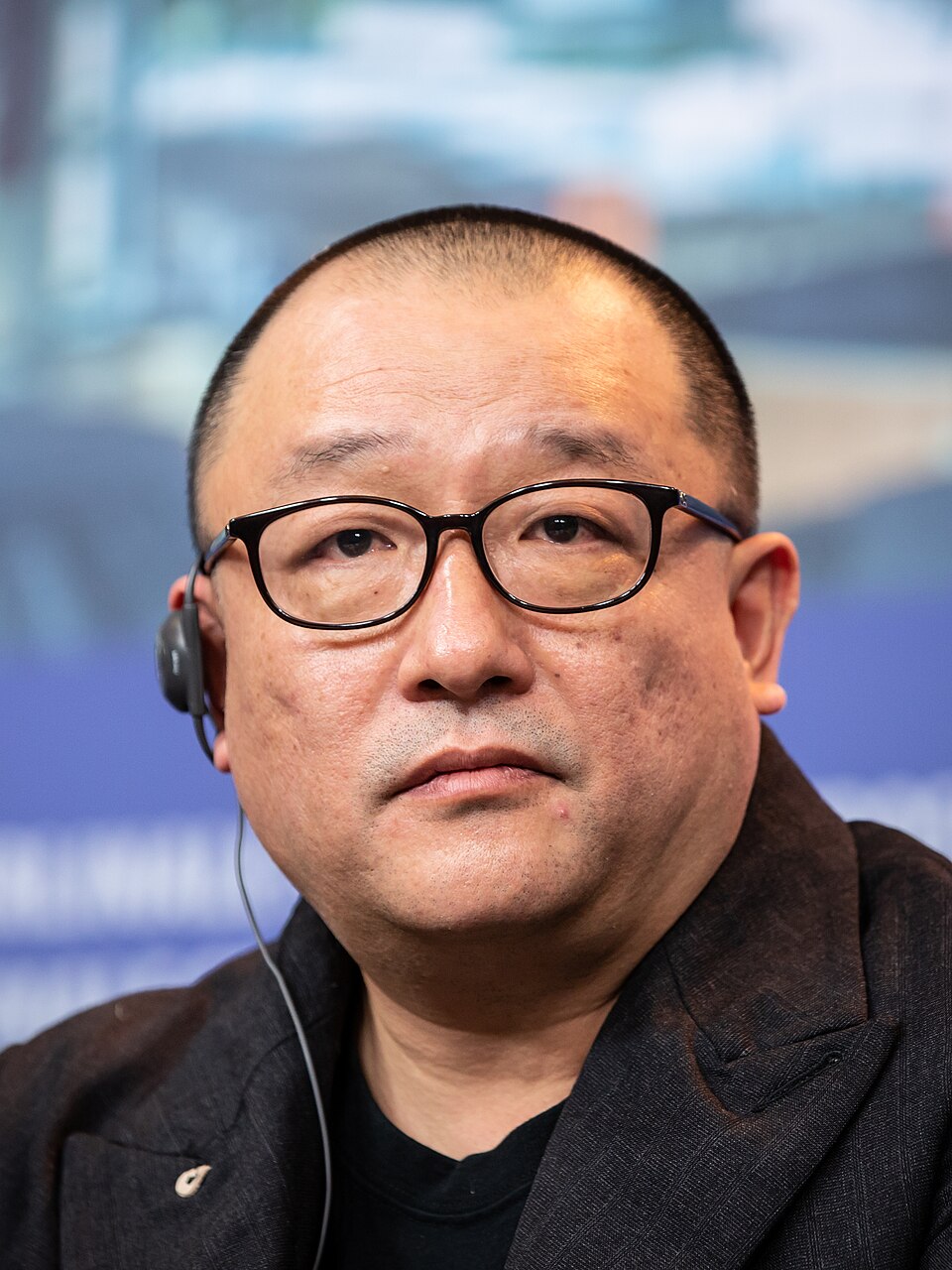
Wang XiaoshuaiBaZi Chart Analysis
Xin Metal Day Master born in Si month — peak Fire season; three Si and one Wu in the Earthly Branches form an intense Blazing-Up Pattern; Gui Water appears on the surface but floats rootless — a lopsided chart with hidden nobility. Midlife Luck Cycles Ren Chen and Xin Mao activate climate regulation and Wealth/Official stars, culminating in his unique humanistic stature as an auteur filmmaker in Chinese-language cinema.
BaZi Chart
Core Analysis
Wang Xiaoshuai’s BaZi is Bing Wu · Gui Si · Xin Si. The Hour Pillar is missing. The Day Master Xin Metal sits on Si (Fire), its Direct Officer. Si dominates the Month Pillar; Wu (Fire) appears in the Year Branch, and two more Si occupy Month and Day Branches — forming an overwhelming Fire configuration. Fire blazes fiercely, exerting extreme pressure on Metal. Though Xin is Yang Metal, it lacks roots (e.g., Shen, You, Xu) or Earth support. Its sole climate regulator — Gui Water — is weak and exposed, yet perches on Si Fire and evaporates rapidly. Thus, the Day Master is extremely weak. This is a classic ‘Weak Self, Strong Warlords’ chart: Fire acts as mixed Officials and Warlords (Bing = Direct Officer; Si contains Bing, Wu, Geng; Wu contains Ding, Ji). No Mentor exists to transform Warlords, nor any Peer or Rival to strengthen the Self. Gui Water stands alone as the sole climate-regulating Useful God — yet it floats rootless and dries under Fire. Hence, Water is the primary Useful God; damp Earth (Chen, Chou) — which subdues Fire and generates Metal — is secondary. Dry Wood, Fire, and Earth Luck Cycles are unfavorable. Structurally, Fire dominates absolutely while Xin Metal cannot bear it. It does not qualify as a Follow Warlord Pattern (Gui Water breaks the pattern), making it a ‘severely imbalanced, medicine-light’ chart. Nobility emerges only when Luck Cycles activate Water or damp Earth. For Luck Cycles: assuming standard male, Yang-year forward progression, he entered Ren Chen (age 7–16) circa 1972 — Ren Water surfaces, Chen is damp Earth and reservoir — his first turning point, aiding early study and perceptual awakening. In 1982, he entered Xin Mao (17–26): Xin supports the Self but Mao (Wood) feeds Fire — mixed results. In 1992, Ren Yin (27–36): Ren Water reappears, but Yin clashes Si — creative sparks emerge amid hardship. In 2002, Gui Mao (37–46): Gui Water strengthens; Mao feeds Fire yet harbors Peach Blossom and expressive tension — coinciding with masterpieces Qing Hong and Left Right. In 2012, Jia Chen (47–56): Jia (Wood) feeds Fire (unfavorable), but Chen subdues Fire and generates Metal — steady career growth. He may now enter Yi Si (57+), reigniting Fire — risk of energy depletion and creative block. Best response: conserve stillness, nourish Water, deepen textual substance.
Explore More
Beyond celebrity case studies, ShunShi can provide equally deep personal BaZi analysis for you.
Trait Analysis
Humanistic Critical Thinking
Gui Water surfacing fuels intellectual depth — faint but unextinguished — granting cold, penetrating observation beyond appearances. Three Si and one Wu form a dense Fire structure, symbolizing relentless critical consciousness and historical inquiry. This internal Water-Fire tension yields a cinematic language fusing poetic concision with raw realism — evident in *Beijing Bicycle* and *Chongqing Blues*, where he dissects both individual fate and era’s hidden folds.
Tenacious Expressive Drive
Xin Metal besieged by Officials and Warlords triggers fierce self-assertion. Intense Fire refines Metal into vessel — manifesting as decades-long commitment to independent production, rejecting genre compromise. Though the chart lacks Earth and roots — limiting resource support — Luck Cycles Ren Chen and Gui Mao subtly bolster Water and Earth, sustaining authorial expression amid capital and censorship pressures — proof of artistic resolve forged in adversity.
Emotional Restraint
Strong Officials and Warlords without Mentor transformation compress emotion into silence. Gui Water’s rootlessness and dryness intensify relational distance — family structures in his films often fracture or suspend. This restraint isn’t coldness; it transmutes heat into visual ellipsis and prolonged gaze — forging a distinctly Eastern aesthetic of subtlety and reserve.
FAQ
辛巳日柱名人





Comments
No comments yet. Be the first!
Explore More
Beyond celebrity case studies, ShunShi can provide equally deep personal BaZi analysis for you.